TMJ Surgery (TMJR)
Dr. Sandeep Prakash provides advanced surgical solutions for temporomandibular joint (TMJ) disorders SPECIALLY TMJ ANKYLOSIS AND ITS RELATED FACIAL ASYMMETRY AND INTERNAL DERANGEMENT OF TMJ.
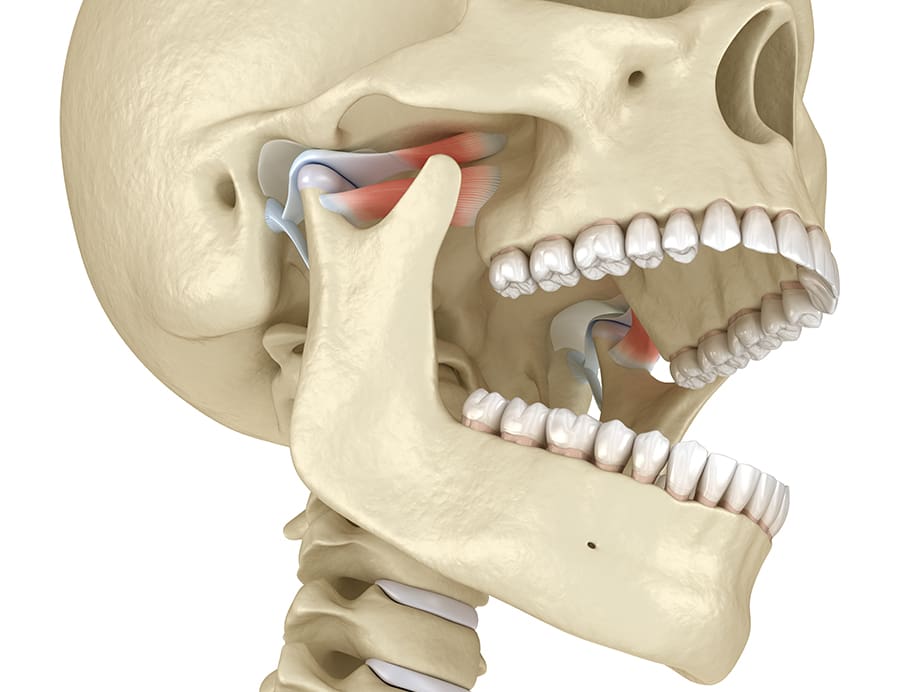
Advanced TMJ Disorder Treatment
When Conservative Care Isn't Enough
Temporomandibular Joint (TMJ) disorders can cause debilitating pain, limited jaw movement, and significantly impact quality of life. When non-surgical treatments fail to provide relief, TMJ surgery becomes the definitive solution for lasting improvement.
Our Total Joint Replacement (TMJR) procedures utilize state-of-the-art prosthetic joints designed to restore normal jaw function, eliminate chronic pain, and return patients to a life free from TMJ limitations.
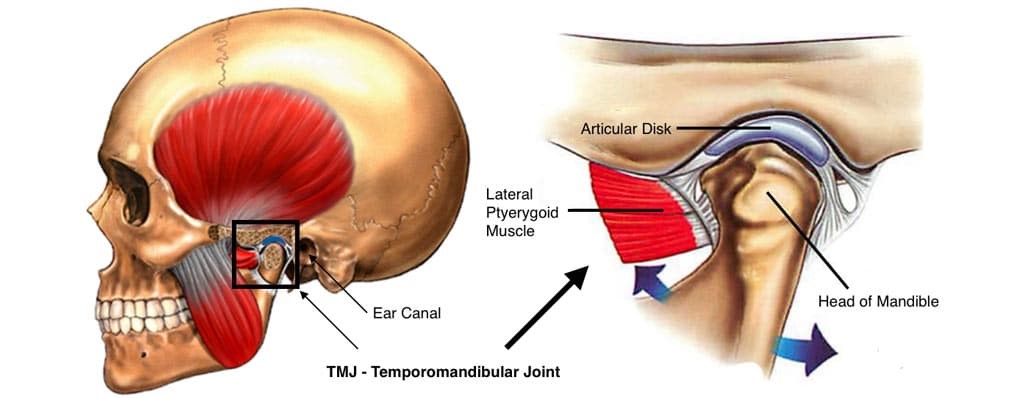
Arthrocentesis (Joint Aspiration)
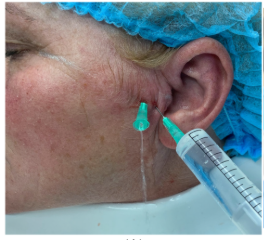
Arthrocentesis, or joint aspiration, is a minimally invasive, outpatient medical procedure where a sterile needle is inserted into a joint capsule to remove synovial fluid. It is used for both diagnostic analysis (checking for infection, gout, or inflammation) and therapeutic relief (reducing pain, swelling, and pressure in joints like the knees, shoulders, or TMJ).
Procedure
A doctor numbs the area with local anesthetic and uses a needle to aspirate fluid, similar to a blood draw.
Purpose
The procedure identifies the cause of joint effusion (fluid buildup) and treats pain.
Indications
It is crucial for diagnosing septic arthritis (infection), crystalline arthropathies (gout/pseudogout), and inflammatory arthritis.
Benefits
It provides immediate relief from painful swelling and allows for the injection of medication (e.g., corticosteroids) directly into the joint.
Risks
It is generally safe, though risks include bleeding, infection, or pain.
When is TMJ Surgery Recommended?
Severe Arthritis
Advanced degenerative joint disease that has not responded to conservative treatments like medications, physical therapy, or splints.
Traumatic Injury
Fractured or severely damaged temporomandibular joint from accidents, sports injuries, or other traumatic events.
Failed Previous Surgery
Complications or unsatisfactory results from previous TMJ procedures requiring revision surgery.
Chronic Pain
Severe, persistent pain affecting daily activities, sleep, and overall quality of life despite conservative management.
TMJ Ankylosis
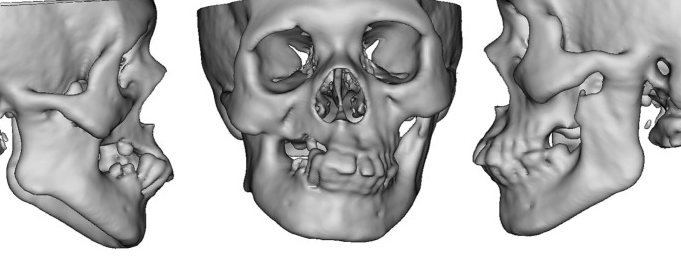
Temporomandibular joint (TMJ) ankylosis is a chronic condition characterized by the fibrous or bony fusion of the mandibular condyle to the glenoid fossa, resulting in limited mouth opening (hypomobility or immobility). It is a pathological, often trauma-induced disorder causing significant functional difficulties with chewing, speaking, and oral hygiene, frequently leading to facial deformity in growing children.
Fusion Types
It can be classified as either fibrous (fibrous tissue adhesion) or bony (bony union), ranging from partial to complete immobility of the joint.
Causes
Trauma (e.g., condylar fractures, hematomas) is the most common cause, followed by infection (septic arthritis), systemic diseases like rheumatoid arthritis, and previous surgery.
Symptoms
Primary symptoms include inability or difficulty opening the mouth, restricted jaw movement, pain, facial asymmetry (if occurring during childhood growth), and malocclusion.
Consequences
If untreated, it can lead to severe facial deformity, breathing issues (airway obstruction), and poor oral hygiene.
Treatment
Management is typically surgical, involving the release of the ankylotic mass and reconstruction of the joint, often using graft materials.
Our Advanced Surgical Options
Arthroscopy
Minimally invasive procedure using small cameras and specialized instruments to diagnose and treat internal joint problems with minimal tissue disruption.
Total Joint Replacement (TMJR)
Complete joint replacement using custom-designed prosthetic devices made from biocompatible materials for long-term function.
Benefits of Arthrocentesis
Pain Relief
Eliminate chronic jaw pain, headaches, and facial discomfort that have persisted despite other treatments.
Improved Function
Restore normal chewing, speaking, and swallowing abilities for improved nutrition and quality of life.
Increased Range of Motion
Regain normal jaw opening and movement patterns, eliminating restrictions that affect daily activities.
Long-Term Solution
Provide lasting results with durable prosthetic materials designed for decades of reliable function.
Frequently Asked Questions
Common FAQs Regarding TMJ Ankylosis Surgery
- Gap Arthroplasty: Removing the fused bone to create a gap.
- Interpositional Arthroplasty: A gap is created and filled with materials (fat, cartilage, or temporalis fascia) to prevent re-fusion.
- Total Joint Replacement: Replacing the damaged joint with a prosthetic.
Ready for Lasting TMJ Relief?
Schedule a consultation to explore your surgical options and reclaim your life from chronic TMJ pain.