Minimally Invasive Dentistry
Preserving Your Natural Smile
A patient-centered approach that prioritizes conserving healthy tooth structure, focusing on prevention, and early detection of dental decay.
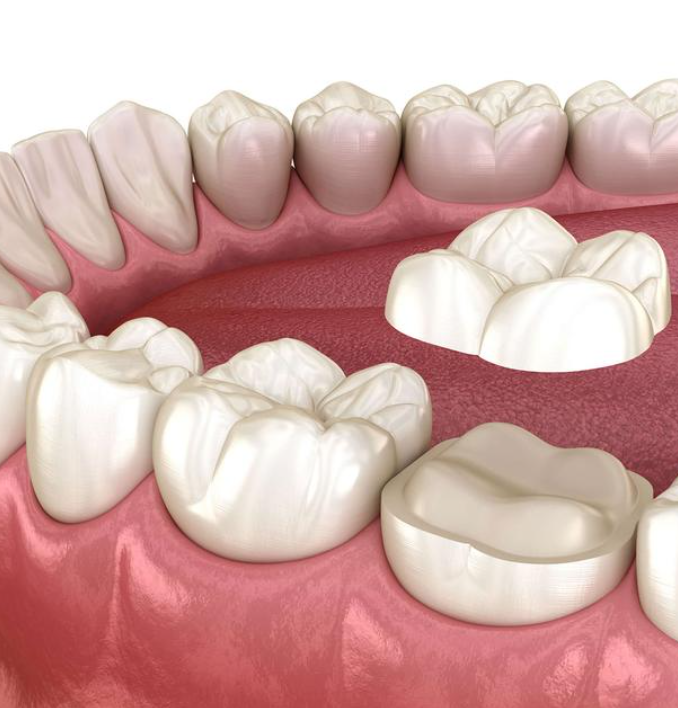
What is Minimally Invasive Dentistry?
Minimally invasive dentistry (MID) is a patient-centered approach that prioritizes conserving healthy tooth structure, focusing on prevention, and early detection of dental decay.
Unlike traditional approaches that may remove significant tooth structure, MID aims to treat only the diseased portion while preserving as much healthy tissue as possible.
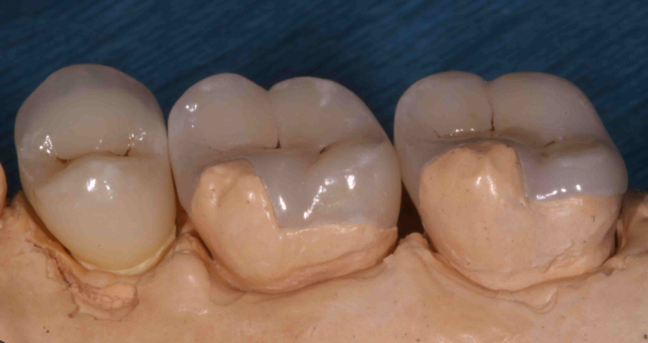
Key Components of MID
Preventive Care
Using sealants and fluoride treatments to stop decay before it starts. Early intervention is the cornerstone of minimally invasive dentistry.
Conservative Restorations
Using materials that need less removal of healthy tooth structure, such as Composite Resins and Partial Bonded Restorations.
Benefits of Minimally Invasive Dentistry
Maximized Tooth Structure
Preserves as much of the natural tooth as possible.
Higher Patient Comfort
More comfortable experience, ideal for children and fearful patients.
Long-Lasting Results
Early intervention and material choices lead to stronger, longer-lasting restorations.
Cost-Effectiveness
Often proves to be more cost-effective in the long term.
What is a Partial Bonded Restoration?
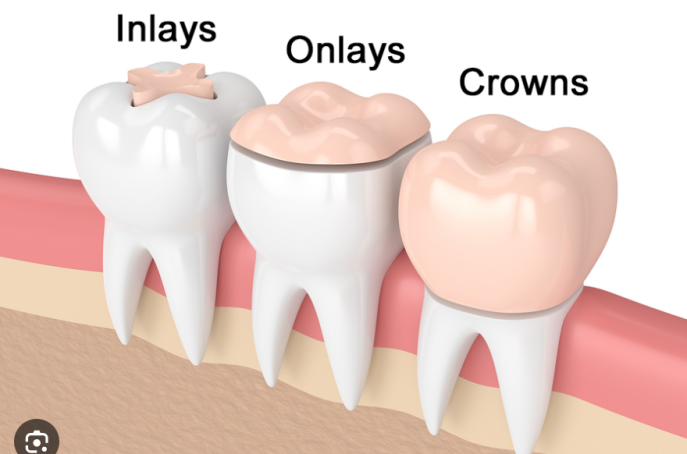
A partial bonded restoration is an indirect or direct restoration that replaces only the damaged portion of a tooth (minimally invasive) and is adhesively bonded to the remaining tooth structure.
Common types include:
- Inlays
- Onlays
- Overlays
- Partial crowns
Unlike traditional restorations that rely heavily on mechanical retention, these restorations depend on adhesive bonding systems for retention and stability.
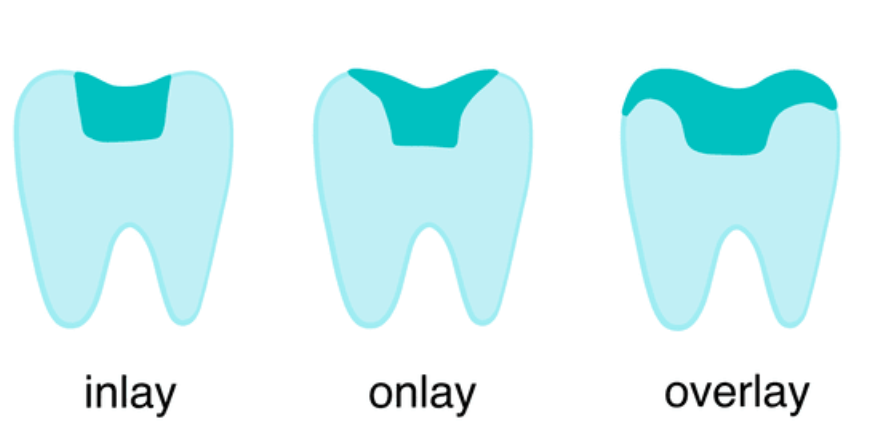
Types of Partial Bonded Restorations
1. Inlays
Definition: Inlays are indirect restorations fabricated outside the mouth and bonded within the cusps (inner portion) of a tooth.
Indications:
- Moderate decay or damage within cusps
- Replacement of large failing fillings
- Teeth that do not require full crown coverage
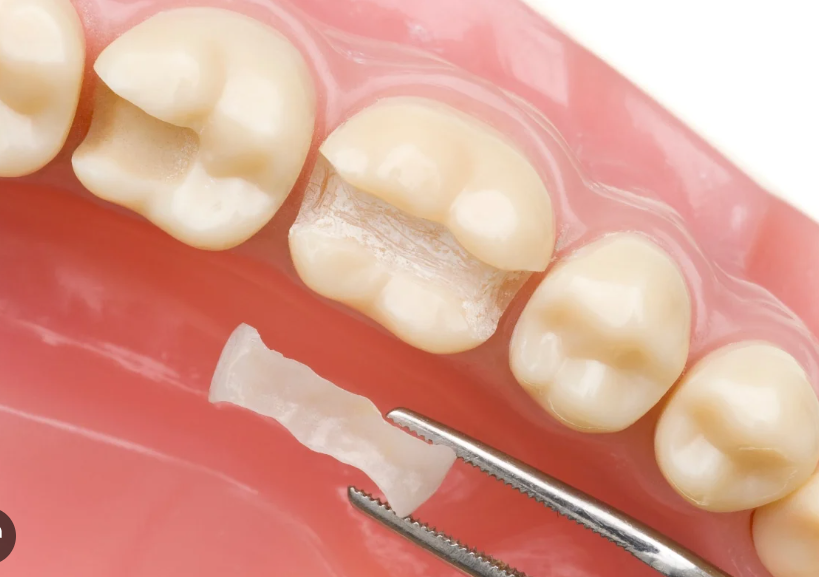
2. Onlays
Definition: Onlays extend beyond inlays to cover one or more cusps of the tooth, often called "partial crowns."
Indications:
- Extensive decay affecting cusps
- Fractured or weakened tooth structure
- Alternative to full crowns
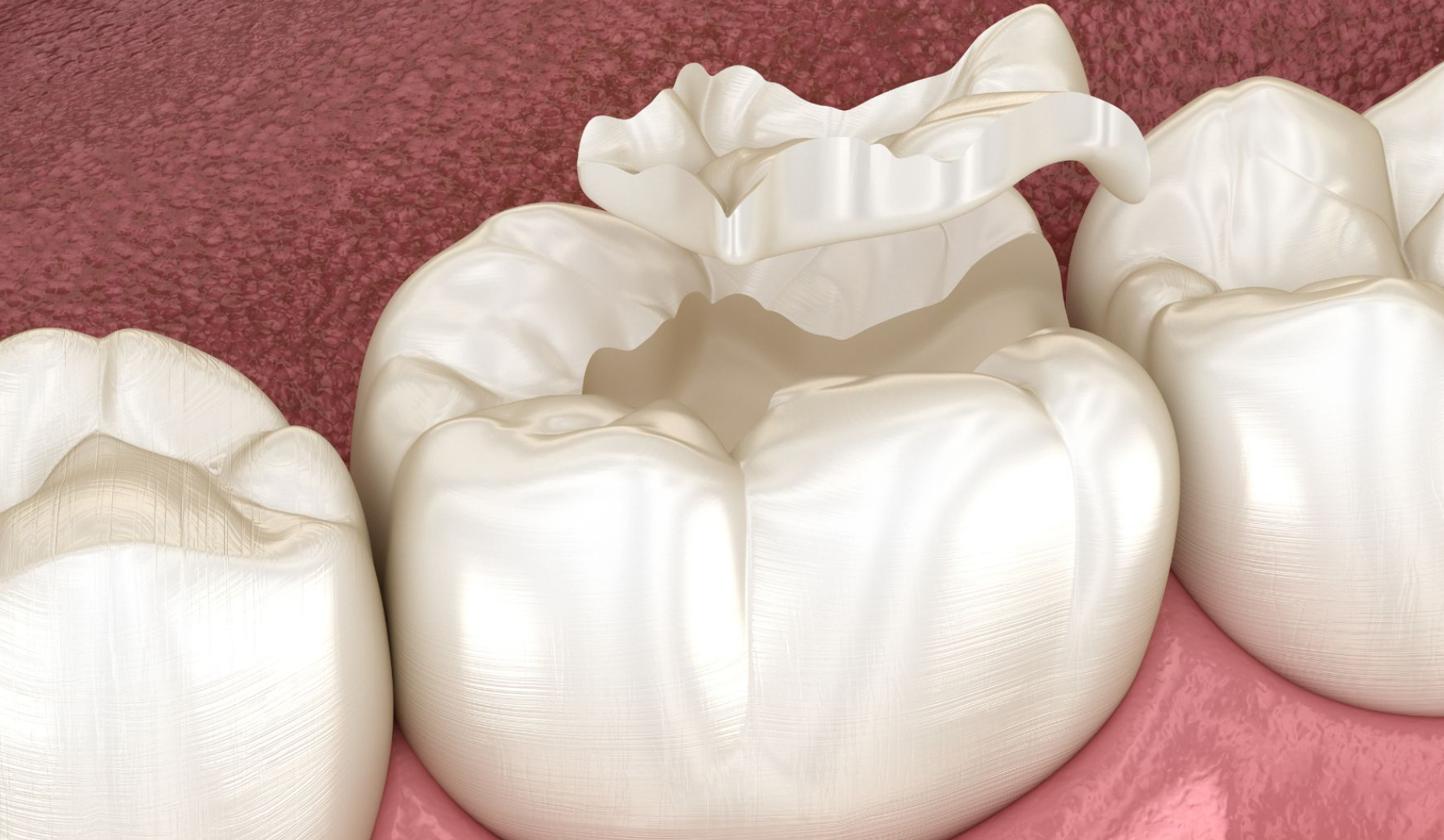
3. Overlays / Table Tops / Occlusal Veneers
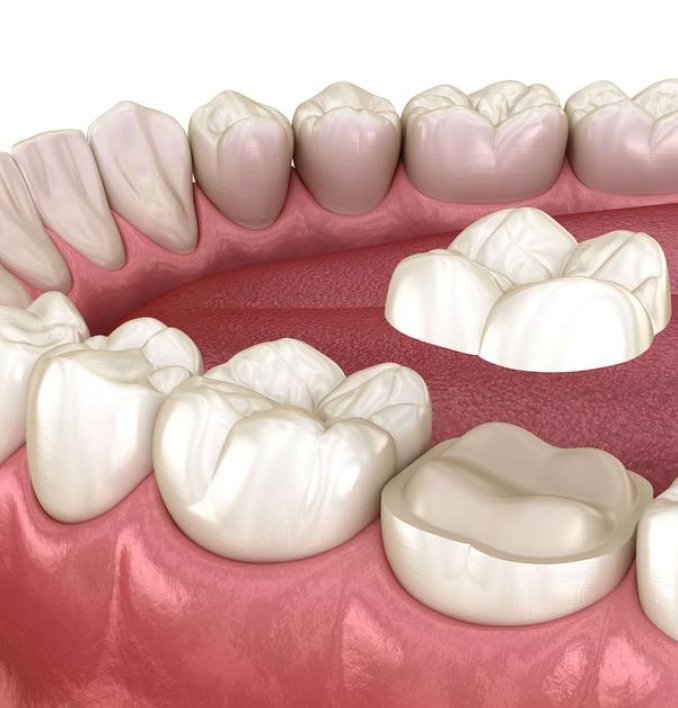
Dental overlays are indirect, minimally invasive restorations used to repair damaged teeth by covering the entire chewing surface (cusps) and part of the sides, functioning as a "partial crown."
Key Aspects:
- Coverage: Unlike inlays (inside cusps) or onlays (one or two cusps), overlays cover all cusps of the chewing surface.
- When Used: Moderate to substantial damage too severe for a filling but not requiring full crown reduction.
- Benefits: Conservative, strong and durable, less invasive, aesthetic.
Overlays are also sometimes referred to as occlusal veneers or partial coverage crowns.
Indications
Partial bonded restorations are indicated in:
They are especially useful in posterior teeth where strength and conservation are both critical.
Contraindications
These restorations may not be suitable when:
Clinical judgment is essential in selecting appropriate cases.
Materials Used
Ceramics
e.g., lithium disilicate
Composite Resins
Tooth-colored and durable
Zirconia
High strength and wear resistance
Hybrid Ceramics
Combined strength and esthetics
Ceramic materials are widely preferred due to their strength, esthetics, and wear resistance.
Advantages of Partial Bonded Restorations
Tooth Conservation
They preserve more natural tooth structure compared to full crowns.
Improved Esthetics
Modern materials closely mimic natural enamel.
Better Biomechanics
Adhesive bonding helps distribute functional forces more evenly.
Reduced Risk of Tooth Fracture
By reinforcing weakened cusps and structure.
Periodontal Health
Supragingival margins reduce gum irritation and plaque accumulation.
Limitations
- Technique sensitive (requires strict isolation and bonding protocol)
- Higher cost compared to direct restorations
- Risk of debonding if improperly executed
- Longevity depends on operator skill and case selection
Comparison with Full Coverage Crowns
| Feature | Partial Bonded Restoration | Full Crown |
|---|---|---|
| Tooth reduction | Minimal | Extensive |
| Retention | Adhesive bonding | Mechanical + cement |
| Esthetics | Excellent | Good |
| Longevity | High (case-dependent) | High |
| Invasiveness | Conservative | Aggressive |
Frequently Asked Questions
Preserve Your Natural Smile
Experience the benefits of minimally invasive dentistry. Book your consultation today.