Oral Cancer Surgery
& Reconstruction
Dr. Sandeep Prakash specializes in the surgical treatment of oral cancer, providing comprehensive evaluation, precise oncologic resection, and coordinated care for optimal recovery and rehabilitation.
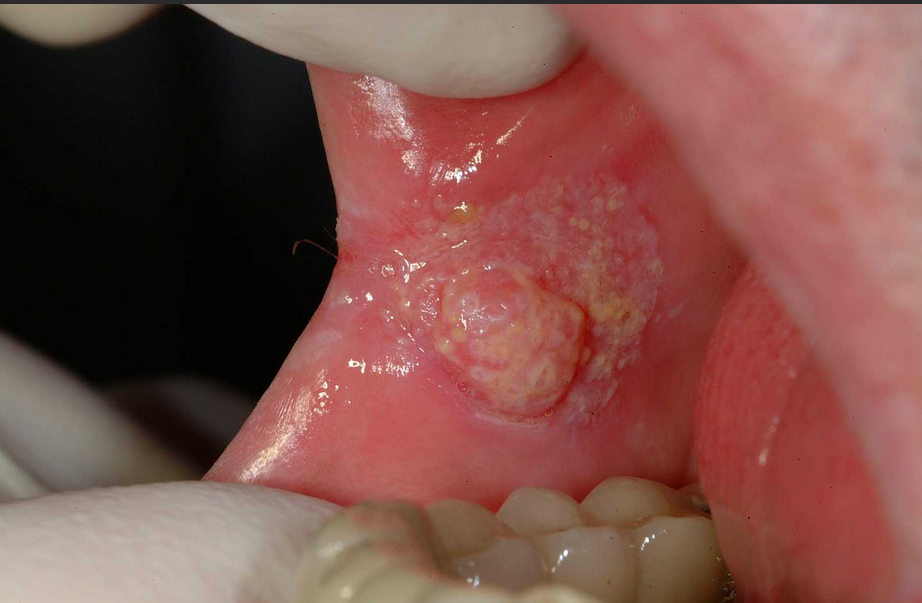
Advanced Oral Cancer Care
Comprehensive Treatment with Life-Restoring Reconstruction
Oral cancer requires a specialized, multidisciplinary approach for optimal outcomes. We combines oncologic expertise with advanced reconstructive techniques to remove cancer while preserving function and aesthetics.
We understand that oral cancer treatment impacts not just physical health, but emotional wellbeing too. That's why we focus on immediate reconstruction and comprehensive rehabilitation to help patients return to normal life with confidence.
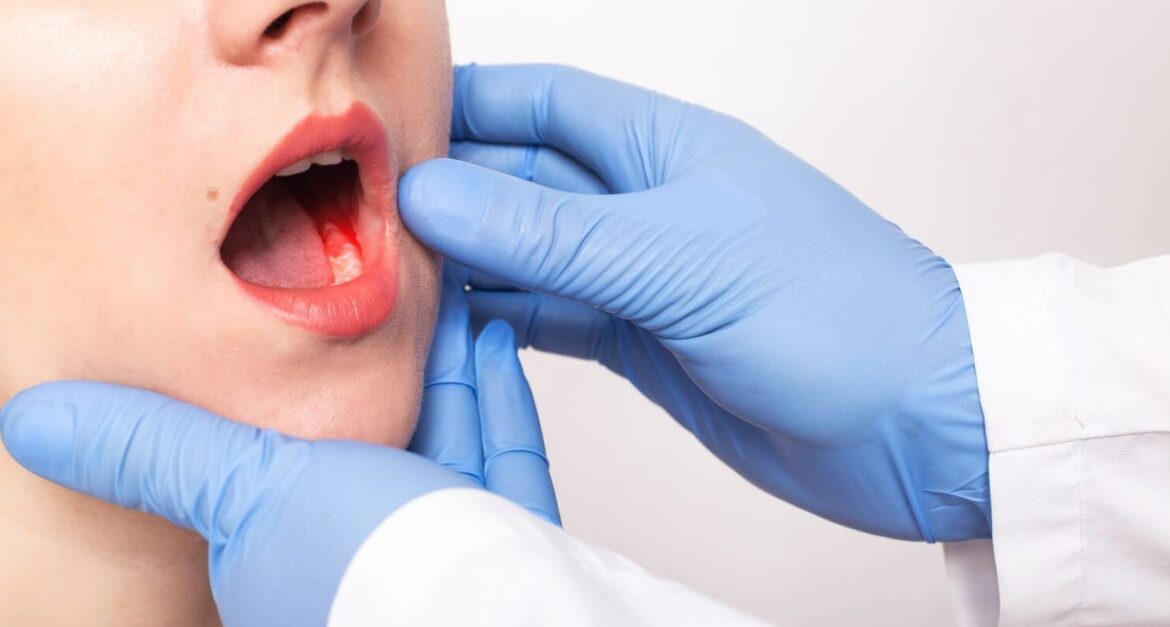
Types of Oral Cancer We Treat
Squamous Cell Carcinoma
This is the most common type, accounting for over 90% of oral cancers. It begins in the thin, flat cells lining the mouth.
Verrucous Carcinoma
A slow-growing variant of squamous cell carcinoma that rarely spreads but can be locally aggressive.
Minor Salivary Gland Cancer
Arises from small salivary glands present in the palate, lips, or inner cheeks.
Oral Melanoma
A rare but aggressive cancer that develops from pigment-producing cells in the mouth.
Warning Signs & Symptoms
Persistent Mouth Sores
Sores that don't heal within 2 weeks or keep recurring in the same location.
White or Red Patches
Leukoplakia (white) or erythroplakia (red) patches that cannot be scraped off.
Unexplained Bleeding
Bleeding from the mouth or throat without obvious cause or injury.
Numbness or Pain
Persistent pain, numbness, or tenderness in the mouth, face, or neck area.
Difficulty Swallowing
Pain or difficulty when swallowing, chewing, or speaking.
Lump or Thickening
Any lump, thickening, rough spot, or eroded area in the mouth.
Sign & Symptoms
Seek evaluation if you experience:
Non-healing ulcer lasting more than 2 weeks
Red or white patches inside the mouth
Unexplained bleeding
Lump or thickening in the cheek
Difficulty swallowing or speaking
Persistent ear pain
Loosening of teeth without gum disease
Common Sites of Oral Cancer
Oral cancer may develop in:
Tongue (especially the sides)
Floor of the mouth
Buccal mucosa (inner cheek)
Hard and soft palate
Lips
Gums
Surgical Management
(Primary Treatment)
Surgery is often the first line of treatment.
Procedures may include:
Wide local excision
Partial glossectomy (tongue resection)
Mandibulectomy (jaw bone removal if involved)
Neck dissection (removal of lymph nodes)
Reconstructive Surgery
After tumor removal, reconstruction is often necessary.
Options include:
Local flaps
Regional flaps
Microvascular free flap reconstruction
Bone grafting
Reconstruction restores:
Facial symmetry
Jaw continuity
Chewing function
Speech clarity
Radiation Therapy
Often used:
After surgery (adjuvant therapy)
For inoperable cases
In combination with chemotherapy
Chemotherapy
Used in:
Advanced-stage cancers
Combined chemoradiotherapy
Recurrent disease
Our Comprehensive Surgical Approach
Comprehensive Diagnosis
Detailed biopsy, advanced imaging studies (CT, MRI, PET), and multidisciplinary tumor board review for accurate staging.
Multidisciplinary Planning
Coordination with oncology, radiology, nutrition, speech therapy, and rehabilitation specialists for comprehensive care.
Surgical Resection
Tumor removal with clear margins while preserving maximum function and surrounding healthy tissue.
Immediate Reconstruction
Advanced microvascular flap surgery and bone reconstruction performed in the same operation when possible.
Rehabilitation & Follow-up
Speech therapy, swallowing therapy, dental rehabilitation, and regular surveillance for optimal recovery.
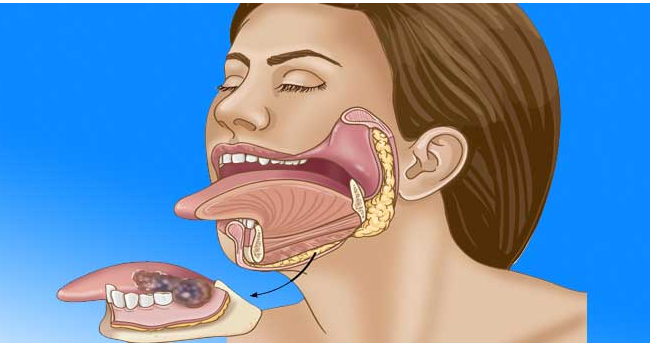
Advanced Reconstruction Techniques
Free Flap Reconstruction
Microvascular transfer of tissue from distant sites (fibula, radial forearm, scapula) with blood vessel reconnection for optimal survival.
Vascularized Bone Grafting
Jaw reconstruction using bone grafts with their own blood supply for successful integration and dental implant placement.
3D-Printed Implants
Custom-made titanium implants and surgical guides designed from patient's CT scans for precise reconstruction.
Dental Rehabilitation
Implant-supported prosthetics and custom dental devices for functional restoration of chewing and speech.
Obstructive Sleep Apnea (OSA) Treatment
Surgical Solutions for Better Sleep
Oral and Maxillofacial Surgeons (OMFS) play a critical role in treating obstructive sleep apnea (OSA) when conservative therapies like CPAP fail. They specialize in anatomical corrections of the jaw, palate, and airway through procedures to expand airways and reduce snoring/apnea.
Dr Sandeep Prakash is extensively trained in the field of orthognathic surgery which is nothing but moving jaws in its correct position to improve airway patency and overall respiratory function.
Surgical Interventions
Maxillomandibular Advancement (MMA)
Moving the jaw forward to open the upper airway. This procedure effectively expands the airway passage and reduces snoring and apnea events significantly.
Genioglossus Advancement
Advancing the tongue muscle anchor to prevent airway collapse during sleep, keeping the airway open for uninterrupted breathing.
SARPE / DOME
Surgically Assisted Rapid Palatal Expansion / Distraction Osteogenesis Maxillary Expansion. Widening the upper jaw to improve nasal breathing and airway capacity.
Collaboration
Multidisciplinary Approach
OMFS work closely with sleep physicians, relying on polysomnography (PSG) data to determine the severity of sleep apnea and monitor treatment outcomes.
Oral Appliances
In some cases, OMFS work with dental specialists to fit oral appliances to reposition the jaw for better breathing.
When to Consider Surgery
For specialized care, individuals with severe sleep apnea, particularly those who cannot tolerate CPAP, should be referred to an OMFS for surgical consultation.
Risk Factors & Prevention
Major Risk Factors
- Tobacco Use: Smoking or chewing tobacco
- Alcohol: Heavy alcohol consumption
- HPV: Human papillomavirus infection
- Sun Exposure: Lip cancer risk
- Age: Risk increases after 40
Prevention Strategies
- Quit tobacco use completely
- Limit alcohol consumption
- Practice good oral hygiene
- Eat a balanced, nutritious diet
- Use lip protection from sun
- Consider HPV vaccination
Frequently Asked Questions
Need Oral Cancer Screening?
Early detection is key to successful treatment. Schedule your comprehensive oral examination today.